
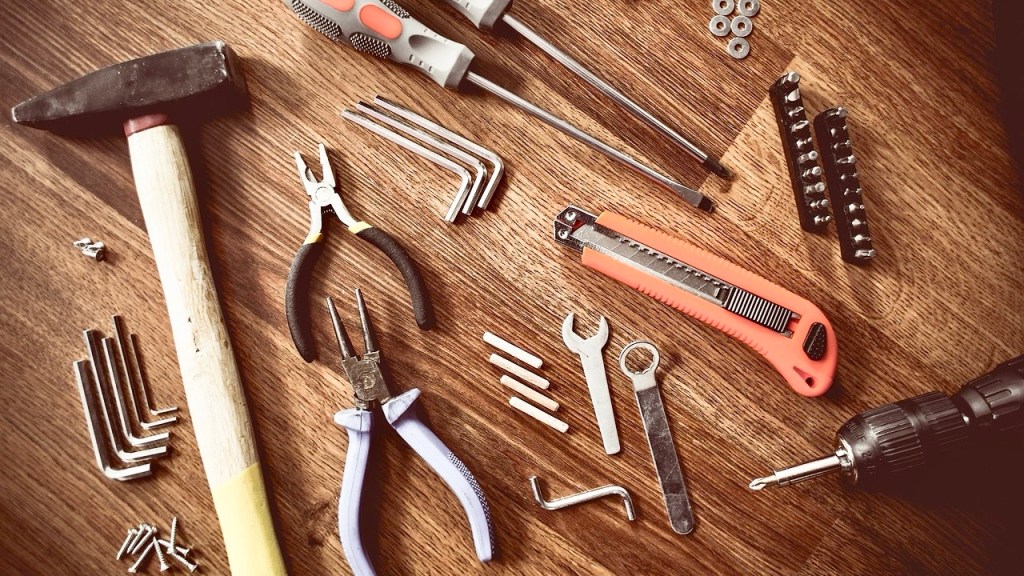
The MVP of our move-in to our new vacation condo in Celebration FL is our new handyman, Carlos.
At home in MN, I’m known for my roster of “guys” that work in the house – my handyman Joe, painter Jeff, irrigation specialist Roberto, concrete guy Zac, etc. Still, our one new Florida “guy”, Carlos, might be the best of the whole team.
It’s sometimes hard to get on a handyman’s schedule, but Carlos has been there for us since the day we closed on the place. He’s been coming for 3-4-5 hours a day and is unbelievably productive.
In the 7 days he’s been at our place, look at all the jobs he’s punched out …
Installed WiFi deadbolt
Replaced all light fixtures (10)
Replaced all ceiling fans (5)
Replaced all faucets (5)
Demo’d kitchen desk
Repaired garage ceiling
Replaced all outlets & switches
Replaced leaky toilet
Trimmed 3 doors
Installed new outlets (2)
Replaced towel racks (5)
Relocated dining room light fixture
Repaired shower spout
We still have some trickier stuff on the list for Carlos this spring including crown moldings, installing a bath vanity, and possibly upgrading the HVAC system. For now, though, he is definitely on pace for an MVP season. It has really made our purchase of the place much, much easier.
Do you have a prized “go-to guy” on your list of home repairs & maintenance?
Image: Pixabay
 MrFireStation
I
LikeLike
I do almost 100% of my own ‘handyman’ work, as I get satisfaction out of this type of work. There are some great videos posted on YouTube by tradesmen who teach you how to do their trade. Keeps my brain from turning into a vegetable.
Last fall, I had the first outsider into my house for years to install a new heat pump. I called the guy who originally installed my system in 1989 and was expecting that his son would now be working. He was mostly doing troubleshooting now, but worked with me do an entire system replacement with the understanding that I would function as his journeyman. I started working with the HVAC guy when he first got started, and now has 30 years experience, so I benefitted from all his lessons learned the hard way.
I checked the tax code and I believe you can harvest a $2,000 tax credit for installing a high efficiency heat pump, because it only has to be installed in your residence, not your primary residence.
https://energystar.my.site.com/ENERGYSTAR/s/article/Are-vacation-or-second-homes-eligible-for-the-tax-credit-1600088472798
I really like Bosch 20 SEER heat pumps because they are great performance at reasonable cost. My experience with Bosch as a brand has been good. This equipment is very quiet and efficient.
Here are a few tips I learned from my guy:
1) Make your return air grill as large as possible, because this slows down the air velocity which means a more quiet and efficient system.
2) If you have multiple floors or areas of the house where one part gets hit by the sun, while others don’t; put in zones with motorized dampers on separate thermostats. Honeywell (a Minneapolis company) makes equipment that handles the calls from multiple zones and opening and closing of dampers, as needed.
3) Have your tech measure the static pressure difference in your air handler between the Supply and Return Air. Have a call from your smallest zone. Prop the damper open slightly on your main zone to act as a dump zone to insure adequate air flow across your coils. Do not use a bypass damper!
4) Use bar grills instead of stamped metal grills. They are higher end product and increase the air flow through the same size opening.
5) If you have rooms where the cooling or heating is bad when you close the door, you need to install a return air path.
6) Have a p trap on the condensate line to avoid gulping air back into the air handler and spraying water on the inside. Avoids mold.
7) If you have any insulation inside your ductwork and are not replacing it, use headliner glue to cover it with Mylar. To avoid mold.
LikeLiked by 1 person
That looks like quite a project. I helped a buddy who knew HVAC equipment install the central air in our last house (and humidifier), so I’m no rookie to HVAC work, but in our condo, I’m guessing there is specific equipment we are “allowed” to have. I’ll check later this year and see what flexibility there is – and the cost/advantages of each.
I don’t “enjoy” handyman work too much. I make too many little mistakes and things take too long. If I use $100 as my hourly fee when it comes to doing projects I don’t like too much. Most handyman work falls under that heading. https://mrfirestation.com/2020/05/18/12881/
LikeLiked by 1 person
When you meet with the condo board, have the Energy Star Certified HVAC equipment on hand. If they don’t have this equipment on their approved list, then they need to consider adding it. Their owners can get a $2,000 tax credit and save on energy cost. The cost of electricity is not going down. Your electric utility may also have a rebate available.
The Bosch split heat pump’s outdoor unit is very quiet. Sounds like a refrigerator when it is running even during startup, which would make a good neighbor.
The list I provided will be helpful even if you do not do the work yourself because it will make you an enlightened consumer and correct any deficiencies you find. The guy I worked with on mine is the guy you call to fix other technician’s mistakes.
By working as the journeyman on my project, I saved around $3,500 for 16 hours work, so $3,500/16 = $218.75 per hour tax free.
LikeLike